Logins Font: Handwritten Style for Web Design
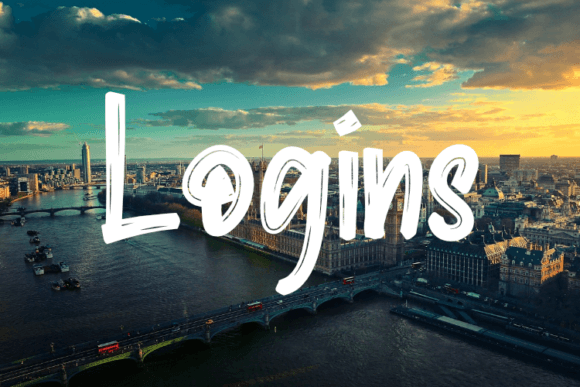
In the competitive landscape of digital product creation, establishing an immediate emotional connection with users is often the difference between a bounce and a conversion. As web designers and UI specialists, we understand that typography is not merely about legibility; it is the primary vehicle for brand tone. Logins is a delicately crafted brush typeface that introduces a personal, intimate touch to digital interfaces. Unlike rigid geometric sans serifs or traditional serif fonts, this handwritten font brings a unique artistic aesthetic that flows naturally across screens, making it an essential asset for creators looking to humanize their web experiences.
Elevating Visual Hierarchy in Hero Sections
The hero section of a landing page serves as the digital handshake for any online business. When designing for SaaS founders, creative portfolios, or boutique e-commerce stores, the headline must arrest attention without feeling aggressive. Logins excels in this high-stakes environment by functioning as a premium display font that softens the user experience. Its brush-script characteristics create a distinct visual hierarchy, signaling to the user that the content is curated and personal rather than automated.
When implementing Logins in hero headers, consider the rhythm of the layout. The font’s organic flow works best when given ample whitespace. Crowding this typeface against navigation bars or dense imagery can diminish its impact. Instead, allow the letterforms to breathe, using them to guide the eye toward secondary information or call-to-action buttons. This strategic use of negative space enhances readability and ensures the artistic nature of the font supports, rather than competes with, the conversion goals of the page.
Strategic Applications Across Digital Touchpoints
Versatility is key when selecting type assets for comprehensive brand identity systems. While Logins is undeniably a statement piece, its utility extends beyond main headlines. For digital product creators and marketers, understanding where to deploy this script font is crucial for maintaining professional consistency.
- Landing Page Headlines: Use Logins for value propositions that require emotional resonance, such as coaching services, wellness brands, or artisanal product launches.
- Social Media Graphics: The font’s bold brush strokes remain legible on small mobile screens, making it ideal for Instagram stories, Pinterest pins, and ad creatives.
- Email Marketing Headers: Break the monotony of standard email templates by using Logins for subject lines or greeting sections to increase open rates and engagement.
- Product Packaging Mockups: For e-commerce sites, displaying packaging that features Logins reinforces the unboxing experience and brand cohesion.
- Editorial Accents: Utilize the font for pull quotes, sidebar highlights, or decorative dividers within long-form blog content to maintain reader interest.
Balancing Personality with Digital Readability
A common pitfall in web typography is sacrificing usability for style. As a modern typography choice, Logins manages to retain its handwritten charm while remaining functional for digital reading. However, designers must be intentional about sizing and contrast. Brush fonts rely on stroke variation to convey character, which can sometimes pose challenges on low-resolution displays or when scaled down excessively.
For responsive web design, establish a minimum font size threshold for Logins to ensure the intricate details of the brush technique do not blur. On mobile devices, this may mean increasing the base size relative to body copy or limiting the font to single-line statements. Furthermore, contrast ratios are non-negotiable. White text on a dark background often renders more crisply for script fonts than dark text on white, as the light bleeds slightly into the dark pixels, mimicking the natural spread of ink on paper. Always test overlays on varied background images to ensure accessibility standards are met.
Effective Font Pairing Strategies
Logins should rarely stand alone in a complete interface design. To create a balanced, professional web experience, it requires a supporting typeface that grounds its expressive energy. The goal of font pairing is to create tension and harmony simultaneously.
For a clean, contemporary look, pair Logins with a neutral sans serif font like Inter, Roboto, or Helvetica. The geometric simplicity of these typefaces provides a stable canvas that allows the brush script to pop without overwhelming the user. This combination is particularly effective for tech-adjacent lifestyle brands or modern educational platforms. Alternatively, for a more editorial or heritage-focused brand identity, consider pairing Logins with a classic serif font. The juxtaposition of traditional serifs with the casual fluidity of Logins creates a sophisticated, magazine-style aesthetic suitable for fashion, luxury travel, or high-end culinary websites.
Technical Considerations for Web Implementation
Integrating a creative font into a live web environment requires attention to technical specifications. Before deploying Logins, verify the included file formats. For optimal web performance, WOFF2 files are the industry standard, offering superior compression and faster load times compared to TTF or OTF formats. Slow-loading custom fonts can cause Flash of Unstyled Text (FOUT), which disrupts the user experience and harms SEO metrics.
Additionally, explore the OpenType features included with the font. Many premium script fonts offer contextual alternates, swashes, or ligatures that prevent repetitive letterforms in longer phrases. These subtle variations mimic true handwriting, where no two letters are identical. Enabling these features via CSS can significantly elevate the perceived quality of the design, transforming a static digital asset into a dynamic visual element. Always check multilingual support if your project targets international audiences to ensure diacritics and special characters render correctly.
Navigating Commercial Licensing for Digital Products
One of the most critical aspects of using specialized fonts like Logins is understanding licensing. As digital creators, we must protect our clients and ourselves from legal exposure. A desktop license typically covers static image creation, such as social media graphics or logo design, but it does not always cover web embedding or app usage.
If you are building a website, landing page, or digital template for sale, ensure you have secured the appropriate webfont license. Some foundries price licenses based on monthly page views or the number of domains. For digital products like Canva templates or WordPress themes, a specific commercial redistribution license is often required. Investing in the correct license is not just a legal formality; it supports the type designer and ensures the longevity of the asset library we rely on. Always review the End User License Agreement (EULA) before finalizing any client deliverable.
Cultivating Brand Trust Through Typography
Ultimately, the decision to use Logins is a strategic branding choice. In an era of AI-generated content and templated designs, users crave authenticity. A handwritten typeface signals that there is a human behind the screen. Whether used for a boutique online store, a personal coaching portfolio, or a creative agency site, Logins bridges the gap between digital efficiency and human warmth.
By treating this font as a functional design tool rather than mere decoration, web designers can leverage its unique characteristics to improve user engagement and brand recall. It transforms standard web layouts into immersive brand experiences, proving that even in the digital realm, the personal touch remains a powerful driver of connection and conversion.