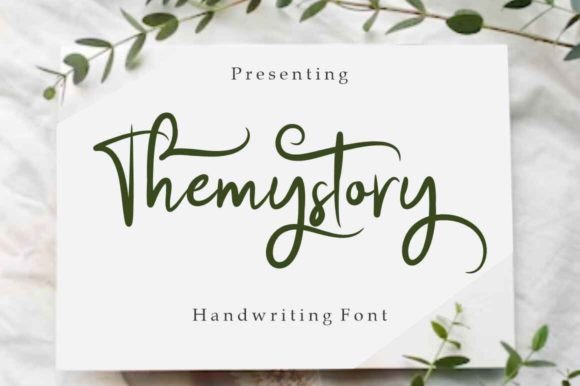
Themystory: A Calligraphic Font That Brings Elegance to Branding
First Impressions: Testing Themystory on a Bakery Branding Project
It was a quiet Monday morning, and I was staring at a blank brand board for a new artisanal bakery project. The brief called for warmth, craftsmanship, and a touch of luxury. I reached for Themystory, a script font that promised to emulate traditional calligraphy. From the first character I typed, I could see it had the kind of flowing strokes and delicate balance that could elevate a brand’s visual identity.
As I tested it on a logo draft, I was immediately struck by how natural it looked—like it had been written with a pointed pen on textured paper. The flourishes felt intentional but not overdone, and the rhythm of the letters gave the brand a sense of movement and grace.
Visual Personality: What Makes Themystory Stand Out
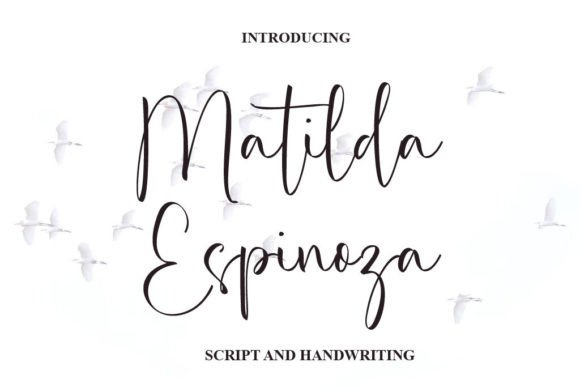
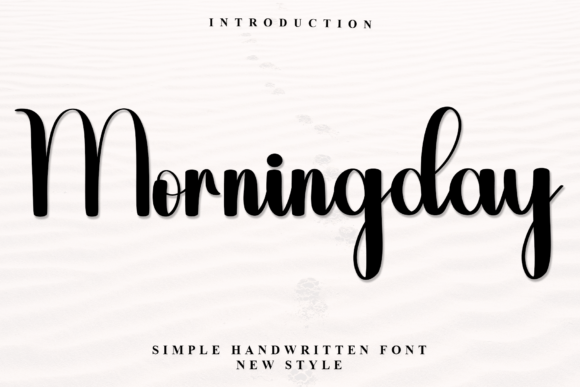
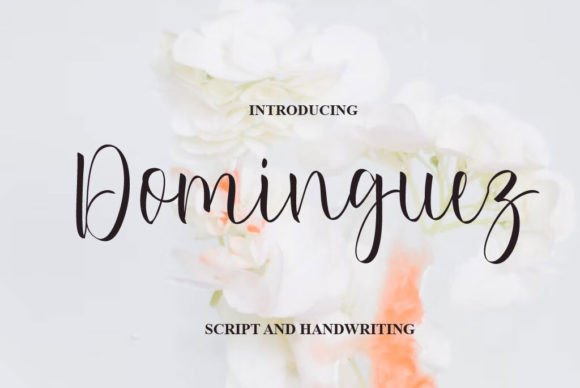
Themystory belongs to the Script Amp category, and it clearly aims to replicate the elegance of real calligraphy. It’s not a casual brush script or a modern script with sharp angles—it’s soft, organic, and slightly romantic in tone. The font’s baseline varies gently, mimicking the subtle pressure of ink on paper, and the ligatures and swashes feel like they were drawn by hand.
This makes it ideal for projects that need to feel personal, artisanal, or high-end. Think wedding invitations, boutique branding, luxury skincare packaging, or boutique coffee shops. It has a personality that leans more toward warmth and intimacy than boldness or minimalism.
Real-World Testing: From Logo to Packaging Mockup
I used Themystory across several brand touchpoints to see how it held up. Starting with the logo, it worked beautifully as a primary typeface—especially when paired with a clean sans serif for subtext. The contrast between the elegant script and the modern sans serif created a visual hierarchy that felt both timeless and fresh.
On packaging mockups, the font translated well to product labels. I tested it on a mockup for a small-batch honey brand, and the soft curves of the letters gave the label a handmade, premium feel. However, I noticed that at smaller sizes, some of the delicate strokes started to disappear, especially in print mockups. This makes it better suited for display use rather than long body text or small product tags.
Where Themystory Shines—and Where It Falls Short
As expected, Themystory excelled in logo design, social media graphics, and editorial headers. It looked stunning in a homepage hero section with a light background, and it added a touch of sophistication to Instagram story templates I created for a lifestyle brand.
However, I wouldn’t recommend it for:
- Long body copy in print or digital
- Small-size applications like business card footers or product tags
- Corporate or highly formal brand identities
Its calligraphic nature means it can become hard to read when used in dense text or at small sizes. For best results, use it as a headline font, logo font, or accent typeface where it can be given space to breathe.
Pairing and Practical Use Tips
One of the most important parts of using a script font like Themystory is pairing it well. I found that it worked best with minimalist sans serif fonts like Helvetica Neue or Montserrat. These pairings kept the overall design from feeling too busy while still allowing the script to stand out.
If you’re using it in a logo or brand board, test it in black and white first. I was surprised how well it held up without color—proof that its structure is strong enough to carry visual weight on its own.
Also, be sure to check if the font includes:
- Multiple weights (bold, regular, light)
- Alternate characters and ligatures
- Multilingual support
- Webfont versions for digital use
Many premium script fonts come with these extras, and they can make a big difference in how versatile the font is across different design assets.
Final Notes: A Designer’s Recommendation
Overall, Themystory is a strong choice for designers working on boutique brand identities, creative studio logos, or packaging that needs a personal, elegant touch. It brings a sense of craftsmanship and emotion that many digital fonts lack.
Before using it in client work, always test it across all intended applications—especially if it will be used in print, on packaging, or at varying sizes. And don’t forget to check the licensing. Many fonts are free for personal use but require a commercial license for branding, merchandise, or web templates.
If you’re looking for a script font that feels like a handwritten masterpiece, Themystory is definitely worth a try.